News

How Much Does THCA Exotic Flower Cost?

How Much Does THCA Exotic Flower Cost?

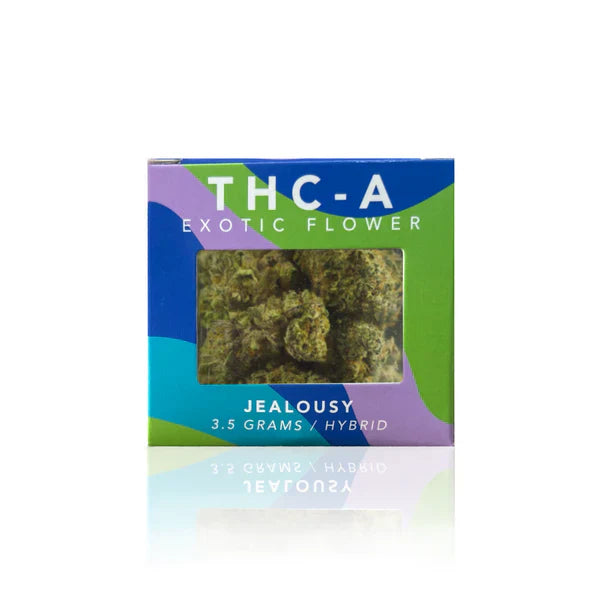
Pricing for THCA exotic flower depends heavily on cultivar genetics, terpene concentration, post-harvest curing methods, and batch potency. Buying top-shelf hemp isn't just about chasing high percentage numbers on a lab sheet. You are paying for hand-selected phenotypes, dense trichome coverage, and loud aromas that cheap commercial grows simply cannot produce. Key Takeaways Source rare genetics that deliver complex aroma and flavor profiles. Inspect third-party COAs to verify actual cannabinoid levels and clean testing. Compare package weights to secure better per-gram pricing on top-shelf batches. Verify proper cure and moisture levels to avoid dry, harsh smoke. EXPLORE OUR COLLECTIONS Why Does Top-Shelf THCA Exotic Flower Cost More Than Standard Options? Top-tier hemp commands higher prices due to elite genetics, specialized indoor cultivation, meticulous hand-trimming, and cold-storage preservation. Cheap commercial flower is mass-produced in massive light-dep greenhouses with minimal quality control. Premium buds require individual care, slow curing, and lab verification to preserve fragile terpenes and trichome structure. The reality on the ground is that two jars can look similar online but taste completely different in a joint. Mass-market hemp growers focus purely on yield per square foot. Specialty boutique cultivators care about bud density, deep purple hues, and loud gas or fruit aromas. Uplift CBD focuses on sourcing hand-selected batches instead of pushing bulk clearance hemp. When you buy cheap, you usually end up with dry, harsh flowers that lost its aroma months ago in a warm warehouse. Investing in top-tier genetics guarantees sticky, resin-heavy buds that deliver a smooth, flavorful experience every time. How Do Package Sizes Impact Your Overall Cost Per Gram? Purchasing larger quantities significantly reduces your average cost per gram compared to single eighth-ounce jars. Retailers scale pricing based on overall volume, meaning quarter, half, and full ounces offer much better long-term value. First-time buyers often start small, but sticking to single eighths gets expensive fast. 3.5 Grams (Eighth): Perfect for testing new strains or sampling fresh harvest drops without a big financial commitment. 7 Grams (Quarter): Offers a slight discount for daily consumers looking to keep a couple of flavors on hand. 14 Grams (Half Ounce): Drops the per-gram price noticeably while giving you enough supply for a couple of weeks. 28 Grams (Full Ounce): Delivers the lowest cost per gram, making it the most cost-effective choice for heavy consumers. What Key Factors Define Real Exotic Quality? Selective Genetic Sourcing Hunt unique breeding lines that express distinct color profiles and dense structure. Eliminate unstable phenotypes that yield loose, leafy buds or faint scents. Precision Climate Cultivation Regulate vapor pressure deficit (VPD) and lighting spectrums to maximize resin output. Maintain strict environmental controls to prevent mold or thermal degradation during flowering. Slow Curing & Hand Trimming Hang-dry whole plants in temperature-controlled rooms for 10 to 14 days to lock in moisture. Trim buds carefully by hand to preserve delicate outer trichome heads from machine damage. Preservation & Packaging Package finished flower in air-tight glass or sealed foil to prevent oxidation. Store inventory in cool, dark rooms so heat doesn't degrade THCA into Delta-9 prematurely. Which Hemp Features Matter Most to Experienced Shoppers? Terpene Profile: Dictates the bold citrus, diesel, berry, or earthy notes that define top-tier smoke. Lab Testing: Verifies exact THCA percentage while proving the batch is free from heavy metals and pesticides. Visual Appeal: Showcases thick, frosty trichomes, vibrant orange pistils, and rich green or purple foliage. Smoke Quality: Delivers a smooth draw with white ash, proving the grower properly flushed the plants before harvest. Quality Level Terpene Intensity Trimming Method Visual & Cure Quality Value Proposition Budget Flower Faint, earthy, or hay-like scent Machine trimmed; loose leaves Dry, brownish tint; low trichome density Cheap upfront cost, but poor flavor and harsh smoke Mid-Grade Hemp Moderate aroma; basic pine or citrus Hybrid trim; decent density Standard green buds; acceptable moisture Decent daily smoke, but lacks complex flavor notes THCA Exotic Flower Loud, pungent gas, fruit, or sweet notes 100% Hand trimmed; tight buds Frosty, vibrant purple/green; sticky resin cure Maximum flavor, ultra-smooth smoke, and peak quality Understanding Common Hemp Terminology THCA (Tetrahydrocannabinolic Acid): The non-psychoactive raw cannabinoid found in fresh hemp that converts to Delta-9 THC when heated. Terpenes: Organic aromatic compounds responsible for the distinct smell, taste, and overall profile of different hemp strains. Trichomes: Resin glands covering high-grade buds that house cannabinoids, terpenes, and flavonoids. Certificate of Analysis (COA): An independent third-party lab document verifying cannabinoid potencies, safety, and legal compliance. EXPLORE OUR COLLECTIONS Ready to Experience True Top-Shelf Quality? Stop wasting money on dry, disappointing hemp that lacks flavor and aroma. Uplift CBD provides hand-selected, fully lab-tested THCA exotic flower with guaranteed fast shipping straight to your door. Browse our live inventory today to find your new favorite strain and elevate your daily stash. Frequently Asked Questions Q: How Much Does Premium THCA Flower Cost? A: Prices vary based on strain genetics, batch rarity, quantity, and current promotions. Checking live online inventory provides the most accurate current pricing for eighths, quarters, and full ounces. Q: Why Do Exotic Strains Command Higher Prices? A: Exotic varieties require specialized indoor growing environments, lower harvest yields, careful hand-trimming, and extended cure times. These intensive labor requirements directly drive up production costs. Q: Is Exotic Flower Better Than Standard Hemp? A: Yes, exotic flower offers superior bud density, richer terpene profiles, smoother smoke, and better visual appeal. Standard hemp is typically mass-produced and lacks complex flavor profiles. Q: Does Buying Larger Quantities Save Money? A: Purchasing half-ounce or full-ounce packages dramatically lowers your effective cost per gram compared to buying multiple individual 3.5-gram jars over time. Q: What Should I Check Before Buying Flower Online? A: Always review third-party lab tests (COAs), check for detailed strain descriptions, verify terpene information, and read recent customer feedback before making a purchase.   EXPLORE OUR COLLECTIONS

Keep reading
The 2026 Federal Hemp Ban Explained: What the November 12 Deadline Means for THCA, Delta-8, and Your Favorite Hemp Products

The 2026 Federal Hemp Ban Explained: What the November 12 Deadline Means for THCA, Delta-8, and Your Favorite Hemp Products

By the Uplift CBD Co. Team | St. Petersburg, Florida If you've searched "hemp ban 2026," "is THCA still legal," or "Delta-8 ban" recently, you're not alone. These are some of the most searched hemp topics in America right now — and for good reason. On November 12, 2026, a new federal law takes effect that will redefine what legally counts as hemp in the United States. It's the biggest shake-up to the industry since the 2018 Farm Bill, and it affects nearly every hemp-derived THC product on the market today. At Uplift, we believe informed customers make the best decisions. Here's a clear, no-hype breakdown of what's changing, what it means for hemp products in Florida, and what you can do right now. What Is the 2026 Federal Hemp Ban? In November 2025, Congress passed a government spending bill that included a provision quietly rewriting the federal definition of hemp. The 2018 Farm Bill legalized hemp containing less than 0.3% Delta-9 THC by dry weight — the framework that made hemp-derived products like THCA flower, Delta-8 gummies, and hemp-derived Delta-9 edibles federally legal and grew the industry into a market worth more than $28 billion supporting over 300,000 American jobs. The new law changes two things, effective November 12, 2026: "Total THC" replaces "Delta-9 THC." The old standard only measured Delta-9. The new standard counts all forms of THC — including THCA, which converts to THC when heated. The formula regulators use is Total THC = (THCA × 0.877) + Delta-9 THC. This is what closes the so-called "THCA loophole." A 0.4 milligram total THC cap per container. Any finished hemp product — gummies, tinctures, beverages, vapes, flower — containing more than 0.4 mg of total THC per container will no longer qualify as legal hemp under federal law. To put that in perspective, industry attorneys estimate roughly 95% of hemp extract products on shelves today, including many non-intoxicating full-spectrum CBD products, exceed that threshold. The law also targets cannabinoids created through chemical conversion, such as Delta-8 THC, Delta-10, and HHC. Which Hemp Products Are Affected? Based on how the law is currently written, the following categories are expected to fall outside the new federal definition of hemp after November 12, 2026: THCA flower and THCA pre-rolls — because THCA now counts toward total THC Delta-8 and Delta-10 products — gummies, vapes, and edibles Hemp-derived Delta-9 gummies and edibles — most contain far more than 0.4 mg per container THC-infused beverages — seltzers and drinks typically contain 2.5–10 mg per serving Full-spectrum CBD oils and tinctures — many exceed 0.4 mg total THC per container even though they're non-intoxicating What survives? Industrial hemp (fiber, grain, seed oil) is specifically exempted. Broad-spectrum and CBD isolate products with truly negligible THC content can remain compliant. Topicals sit in a gray area awaiting further federal guidance. Is This Ban Final? What Congress Is Debating Right Now Not necessarily — and this is where things get interesting. Several serious legislative efforts are underway: The Hemp Planting Predictability Act is a bipartisan bill that would delay the ban's effective date from November 2026 to November 2028, giving the industry time to transition to a permanent regulatory framework. The Cannabinoid Safety and Regulation Act (CSRA) would replace prohibition with federal regulation: a 21+ minimum age, mandatory third-party lab testing, standardized labeling, and workable THC limits (5 mg per serving for edibles). The 2026 Farm Bill, which passed the House in April 2026, left the product ban in place and adopted the total THC standard for hemp plants — but it still has to get through the Senate, where members from hemp-producing states have filed amendments to let states opt out of the ban. The bottom line: the ban is currently the law, but the fight isn't over. The outcome may come down to how much pressure consumers and small businesses put on Congress between now and November. Florida Hemp Laws in 2026: The Local Picture Here in Florida, hemp is already one of the most tightly regulated markets in the country. The Florida Department of Agriculture and Consumer Services (FDACS) began strict statewide enforcement of updated hemp rules in June 2025, covering packaging, labeling, age verification (21+), and marketing standards. As of today, compliant hemp-derived products remain legal to buy and sell in Florida. The state legislature has been weighing how to respond to the federal change — options range from aligning state law with the federal definition to carving out protections for certain products. What's certain is that Florida hemp businesses that already prioritize compliance, lab testing, and transparent labeling are in the strongest position heading into November. That's exactly how Uplift has operated since day one. As a licensed hemp manufacturer and retailer based in St. Petersburg, every product we make and carry is backed by a batch-specific Certificate of Analysis (COA) from an accredited third-party lab. How to Buy Hemp Products Safely Before November 2026 Whether you shop with us or anywhere else, here's the checklist every smart hemp consumer should follow in 2026: Scan the QR code and pull the COA. Every legitimate product should link to a current third-party lab report. Match the batch number on the package to the batch number on the COA. Check total cannabinoid content — not just Delta-9. Look for THCA, Delta-8, and total THC listed clearly. Buy from licensed retailers that verify age and follow state packaging rules. If a shop isn't taking compliance seriously now, that's a red flag.  Stock up thoughtfully. If products you rely on are likely to be affected by the November deadline, purchasing from a trusted, lab-tested source now is the lowest-risk approach. Check expiration dates and store products properly. What Uplift Is Doing to Prepare We're not waiting until November to act. Our team is: Monitoring federal and Florida legislation daily so our customers and wholesale partners never get caught off guard Auditing and reformulating our product lines to ensure a compliant catalog on both sides of the deadline Maintaining full COA transparency on every batch, every product, every time Supporting advocacy for fair, science-based hemp regulation that protects consumer access and the thousands of small businesses — including ours — that make up this industry Make Your Voice Heard If you believe hemp-derived products should be regulated responsibly rather than banned outright, contact your congressional representatives and ask them to support a delay or a regulatory framework like the CSRA. Calls from constituents genuinely move the needle on this issue — the industry has until November 12, 2026 to change the outcome. The Bottom Line The 2026 federal hemp ban is real, the deadline is November 12, and it will reshape what's available nationwide — unless Congress acts first. Until then, hemp-derived products that meet current federal and Florida standards remain fully legal to purchase. Shop lab-tested, Florida-compliant hemp products at Uplift CBD Co. — online at upliftcbdco.com with fast shipping, or visit us in St. Petersburg. Have questions about a specific product and the new rules? Reach out to our team; we'll give you a straight answer. This article is for informational purposes only and does not constitute legal advice. Hemp laws are changing rapidly — always verify current federal and state regulations. Products are intended for adults 21 and over.  

Keep reading